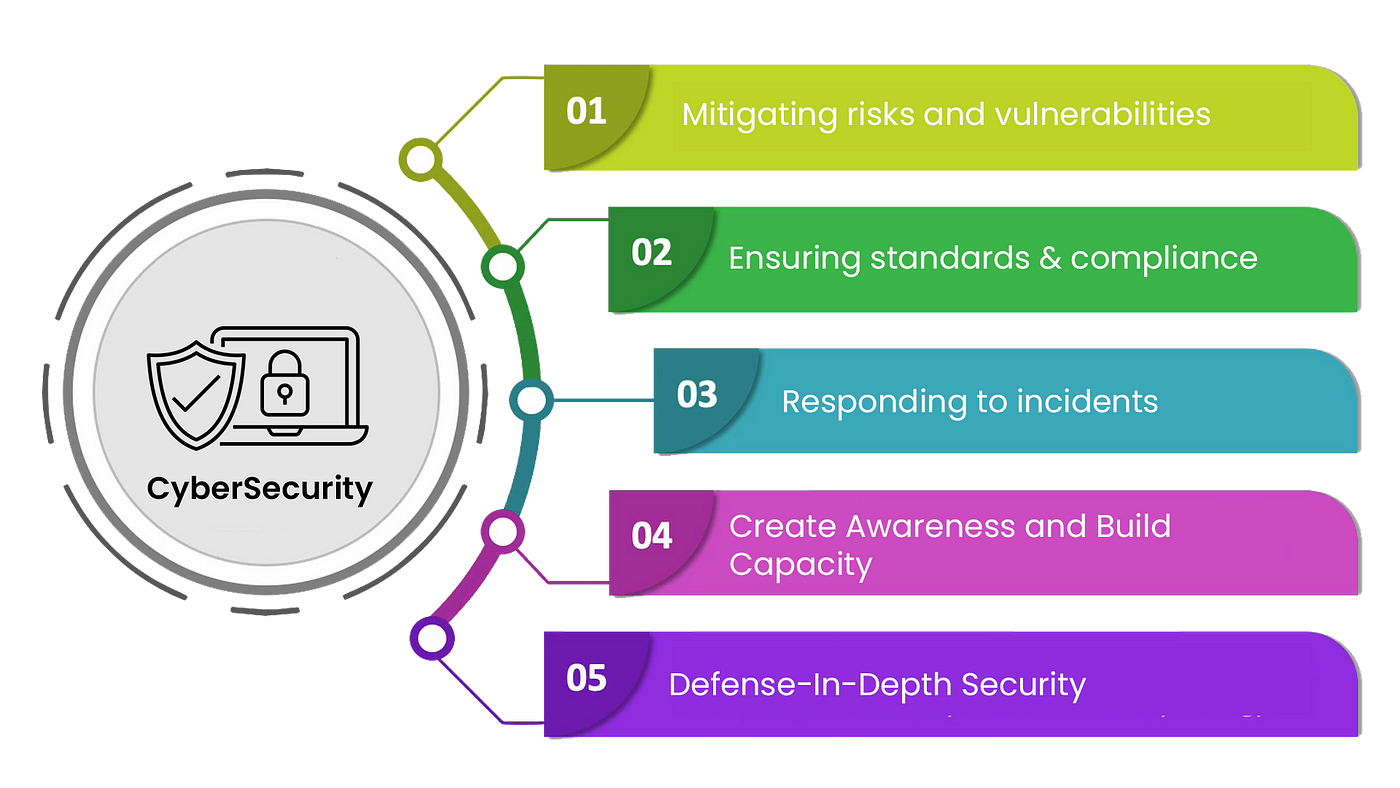
Understanding Cybersecurity: Protecting Your Digital Life
Understanding Cybersecurity: Protecting Your Digital Life In today’s digital age, cybersecurity is crucial. With technology handling everything from banking to sharing personal info, protecting our online lives is essential. This post will explain what cybersecurity is, why it matters, the common threats we face, and simple tips to keep yourself safe online.
What is Cybersecurity?
Cybersecurity is all about keeping our computers, networks, and personal information safe from attacks and unauthorized access. It uses different tools and practices to protect us from online threats and keep our data secure.
Why Cybersecurity Matters
1. Protecting Personal Information:
As we shop and communicate online more, our personal information, like social security numbers and credit card details, can be at risk of being stolen by cybercriminals.
2. Financial Security:
Cyber-attacks can cause major financial problems for both people and businesses. Identity theft and ransomware attacks, in particular, can seriously damage your finances.
3. Protecting Reputation:
For businesses, a data breach can damage their reputation and lose customer trust. Nowadays, people are very aware of security issues, so it’s important for companies to keep a strong and trustworthy image.
4. Following the Law:
Many countries have strict laws (like GDPR and HIPAA) that protect consumers. Companies that don’t comply with these regulations could face tough penalties.
Key Cybersecurity Threats
1. Malware:
This is harmful software designed to disrupt or damage computer systems. Common types include viruses, spyware, and ransomware.
2. Phishing:
Scammers often use deceptive emails or websites to trick people into revealing personal information such as passwords or credit card details.
3. Man-in-the-Middle Attacks:
In this situation, cybercriminals secretly intercept and alter communications between two parties to steal information.
4. Denial-of-Service (DoS) Attacks:
Attackers overload a system with traffic, causing it to slow down or crash, which prevents legitimate users from accessing it.
Best Practices for Cybersecurity
1. Use Strong Passwords:
Create complex passwords and change them regularly. Consider using a password manager to help you remember unique passwords for your different accounts.
2. Enable Two-Factor Authentication (2FA):
This is an extra security step. It means you’ll need to verify your identity in another way (like a text message) in addition to entering your password.
3. Keep Software Updated:
Regularly update your operating systems and applications to protect yourself against the latest threats.
4. Be Careful with Links:
Avoid clicking on suspicious links in emails from unknown senders. Always verify who the sender is before you engage.
5. Use Secure Networks:
Avoid using public Wi-Fi for sensitive transactions. If you must, use a Virtual Private Network (VPN) for a secure connection.
6. Educate Yourself and Others:
Stay informed about the latest cybersecurity threats and share that knowledge with friends and family to help everyone stay safe online.
Conclusion
Cybersecurity is crucial in today’s world. By knowing the risks and following a few easy tips, we can protect ourselves from online threats. Stay proactive and informed to help keep yourself safe online!